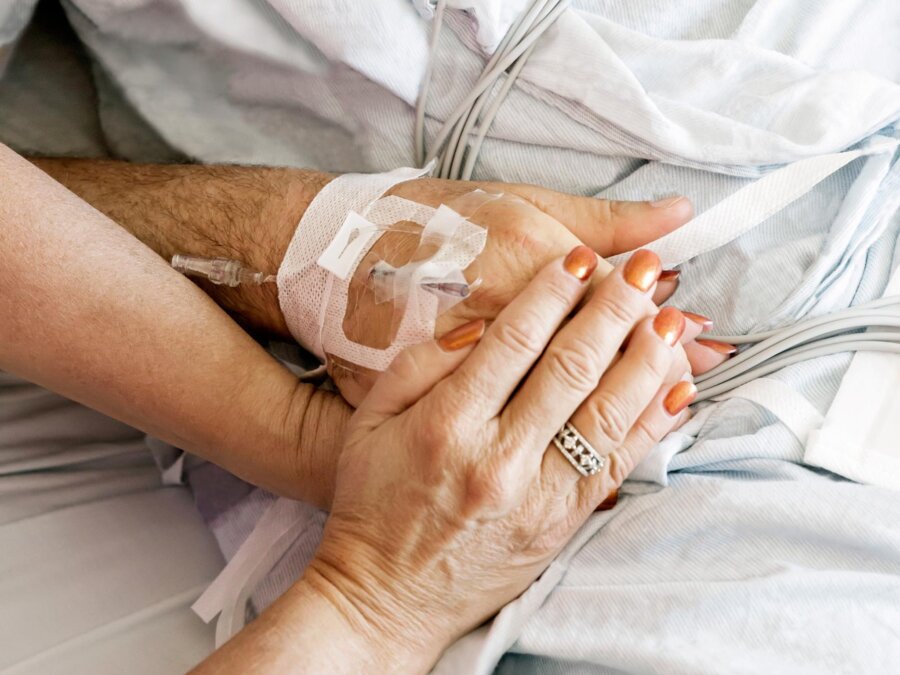


The NHS is using new technology to warn patients most in danger of an attack — up to nine years before it hits them
Artificial intelligence is helping the NHS to identify patients most likely to have a heart attack up to nine years before it strikes.
The technology, developed by Oxford University, will save thousands of lives a year by spotting people whose “invisible” heart problems are not being detected with routine CT scans.
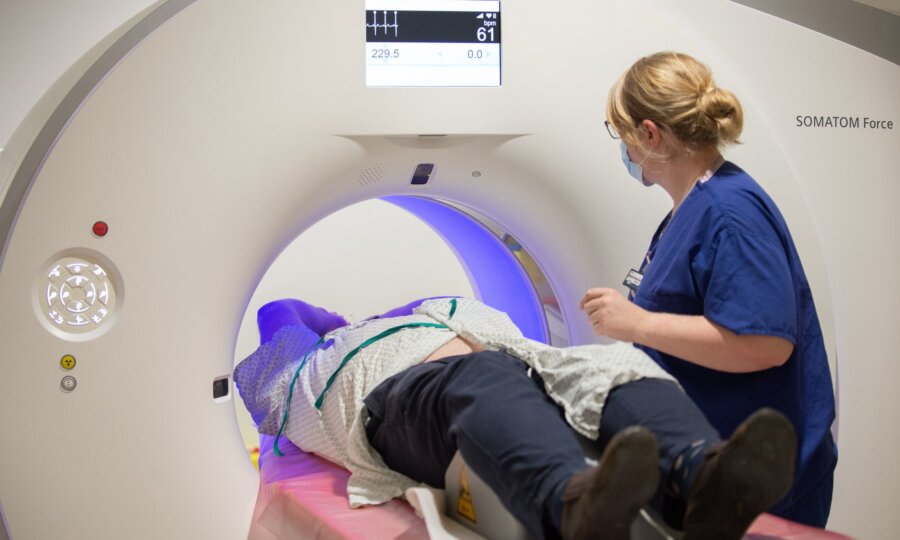
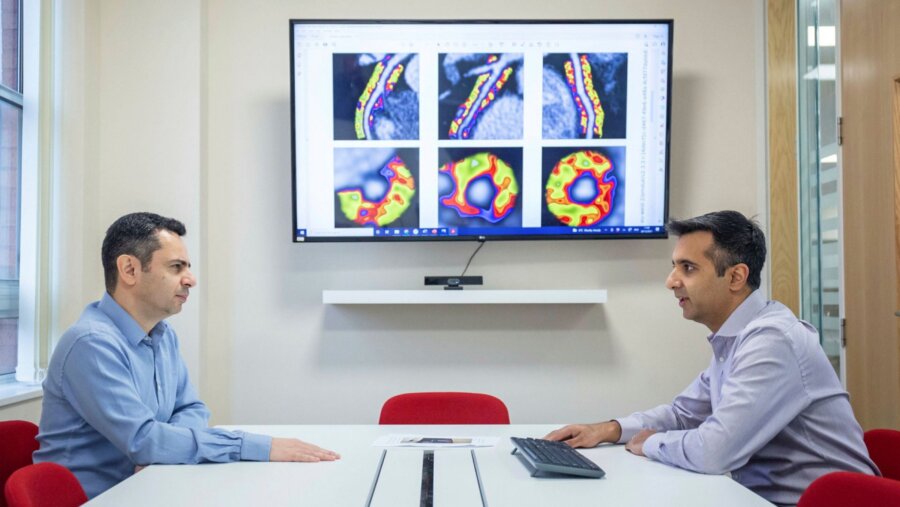
Researchers funded by the British Heart Foundation (BHF) have built the world’s first AI tool that can look “beneath the surface” of normal CT scans. About three quarters of patients given a CT scan after complaining of chest pain are told the results are normal because they show no narrowing of blood vessels. Yet one in five suffer a heart attack within a decade.
Until now there has been no way for doctors to detect all the underlying “red flags” in those at high risk of a heart attack, which causes a hospital admission every five minutes. The CaRi-Heart tool enables doctors to lower the risk by putting patients on medication such as statins or a daily aspirin. They are also encouraged to make lifestyle changes to minimise the danger.
NHS patients at 15 sites, including hospitals in Oxford, Leicester and London, are using the AI technology. Eventually 350,000 people could benefit from the checks every year.
“The beauty of our technology is that it will not only save countless lives, but it is incredibly simple,” said Dr Cheerag Shirodaria, a former BHF researcher and co-founder of the Oxford spin-out company Caristo Diagnostics. “CaRi-Heart analysis can be undertaken on any CT heart scan, hospitals don’t need to change equipment and patients don’t need another test. It fits perfectly with a physician’s workflow.”
The AI tool identifies inflammation and scarring in the lining of blood vessels that supply the heart, up to nine years before they reach dangerous levels. “Prediction of who will have a heart attack is currently based on simple clinical risk factors, and scans that aim to detect the formation of fatty build-up — plaques — in the wall of the coronary artery, which supplies blood to the heart,” Shirodaria said. “However, the risk of a plaque causing a heart attack or death is not simply linked to the presence of the plaque but is also driven by inflammation. That is not visible to any of the wide range of tests currently used by doctors to diagnose cardiovascular disease.”
The AI tests are typically being offered to people aged 40 to 70 with chest pains or adults at particular risk.
The technology was validated in a BHF study involving thousands of patients who were followed up for a decade after their original CT scan. The research found that those with an abnormal AI result were up to nine times more likely to die of a heart attack in the next nine years.
The study also showed that at least a third of patients who underwent a routine scan and were initially considered “low risk” had a much higher risk when CaRi-Heart was applied to their scan.
Caristo Diagnostics is discussing a national introduction with the NHS. This could begin as early as June.
Cardiovascular disease affects seven million people in the UK and costs about £16 billion, said Shirodaria. About 170,000 people die each year from heart attacks, strokes and related conditions.